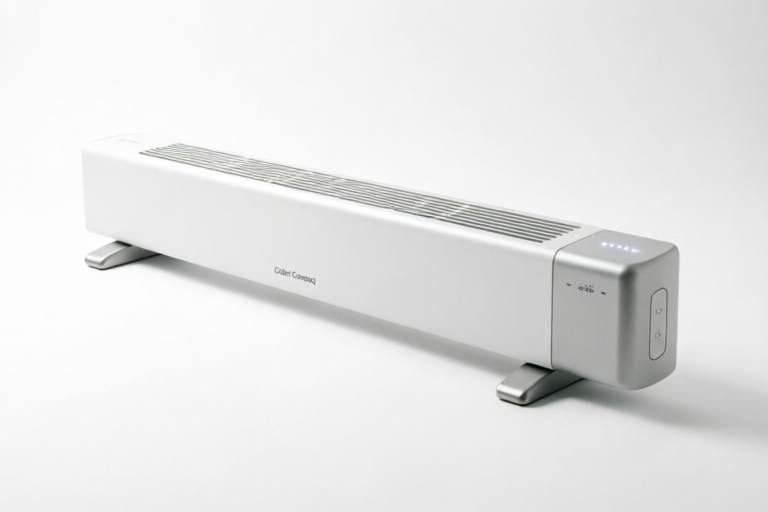
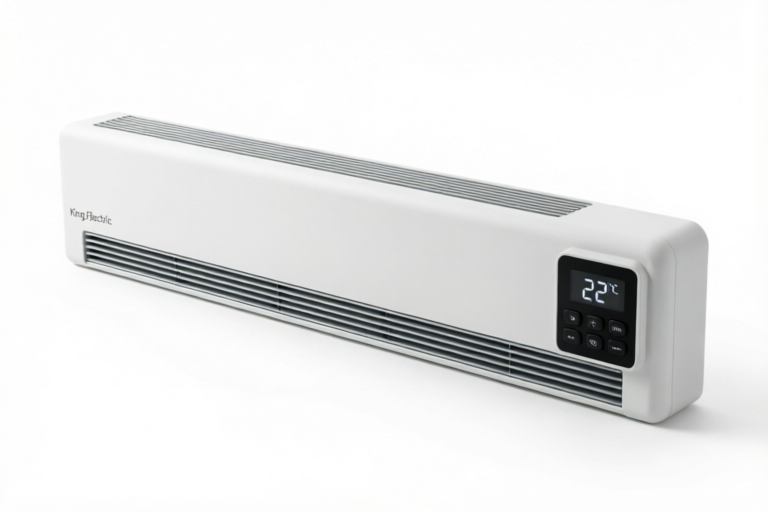
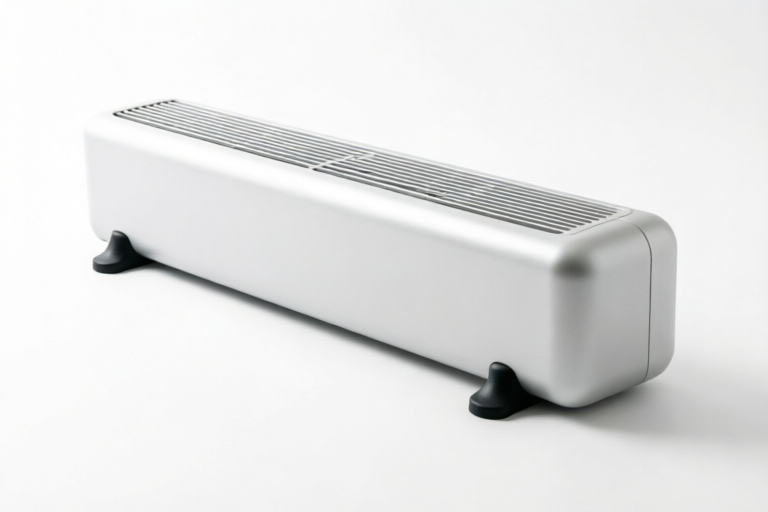
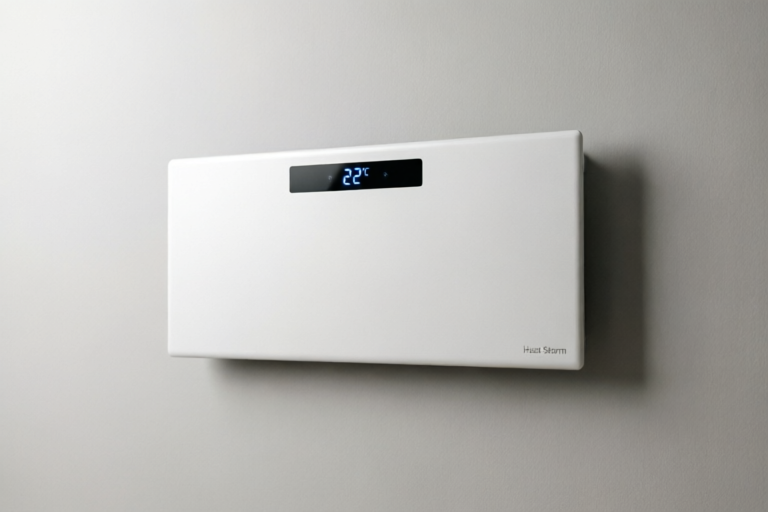
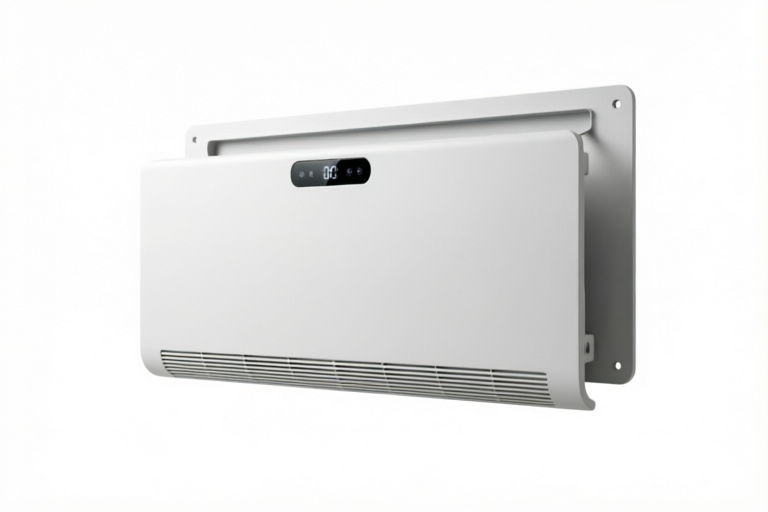
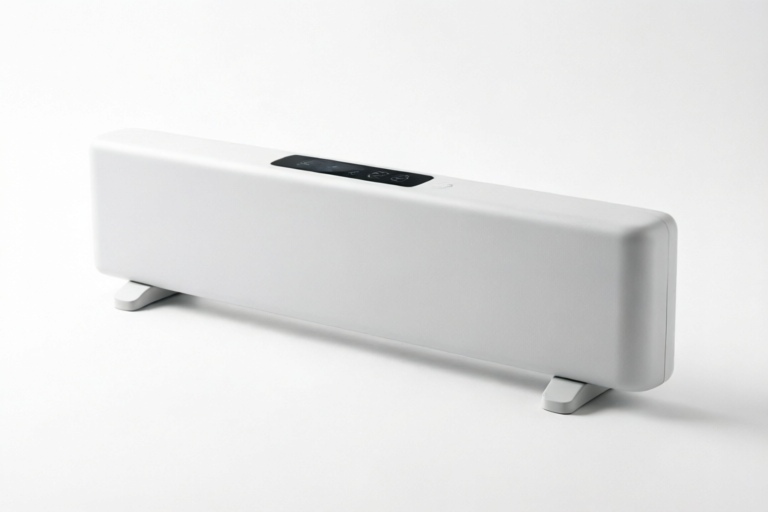
Choosing the right baseboard heater involves understanding your room's heating requirements, your home's electrical capacity, and your personal preferences for features and aesthetics. Drawing from a research paper published in the Energy and Buildings journal (2024) on residential zone heating efficiency, I've structured this guide around the factors that most significantly impact real-world performance and satisfaction.
1Room Size & Wattage Requirements
The U.S. Department of Energy recommends approximately 10 watts of heating power per square foot for rooms with standard 8-foot ceilings and average insulation. This means a 150-square-foot bedroom needs roughly 1,500 watts, while a 300-square-foot living area requires about 2,000–2,500 watts.
Expert Tip:
Rooms with poor insulation, large windows, or ceilings above 8 feet may need 12–15 watts per square foot. Always oversize slightly rather than undersize - a slightly oversized heater cycles less frequently and operates more quietly.
2Voltage: 120V vs. 240V
Baseboard heaters come in two voltage configurations. The 120V models plug into standard outlets and are ideal for supplemental heating in smaller spaces. The 240V models require dedicated circuits but deliver more power efficiently - they draw half the amperage for the same wattage, reducing wire size requirements and electrical losses.
According to the National Electrical Manufacturers Association (NEMA), 240V systems operate approximately 2-3% more efficiently than equivalent 120V installations due to reduced current flow and lower I²R losses in wiring.
3Installation Type: Hardwired vs. Plug-in
Hardwired heaters connect directly to your electrical panel and provide a permanent, clean installation. They typically offer higher wattage options and are the preferred choice for whole-home heating systems. Professional installation by a licensed electrician is required.
Plug-in heaters connect to standard 120V outlets and offer flexibility for renters or those who want to move heating between rooms. They're limited to lower wattages (typically 1,500W max on a standard 15-amp circuit).
4Thermostat Options
The thermostat is your primary interface with the heating system and significantly impacts both comfort and energy consumption. Built-in thermostats offer convenience but less precision. Dedicated wall-mounted thermostats (like those from Honeywell Home or King Electric) provide better accuracy and can be programmed for different schedules.
A study by the Lawrence Berkeley National Laboratory found that programmable thermostats on electric resistance heaters can reduce heating energy consumption by 10-15% compared to manual operation, primarily by lowering temperatures during unoccupied periods.
5Safety Certifications & Features
Always verify that your baseboard heater carries UL (Underwriters Laboratories) or ETL listing certification. These marks indicate the product has been tested to meet rigorous safety standards for electrical equipment. Additional safety features to look for include:
- Overheat protection with automatic shutoff
- Tip-over switches (for portable models)
- Cool-touch exterior surfaces
- Child-lock controls
- Ground fault protection compatibility
6Noise Level & Air Quality
One of the most underrated advantages of electric baseboard heaters is their silent operation. Unlike forced-air systems that use blowers, baseboard heaters rely on natural convection - warm air rises from the heating element while cool air is drawn in from below. This means zero operational noise and no circulation of dust, allergens, or dry air.
For allergy sufferers, the Asthma and Allergy Foundation of America recommends fanless heating solutions like baseboard and radiant panel heaters because they don't disturb settled dust particles or spread allergens through the air.